
Hair extensions are often judged by how they look, but fewer people stop to ask where the hair comes from and how it is collected. Behind every bundle is a human story, and understanding that journey matters. The sourcing of Russian hair extensions has gained attention not only for performance, but also for how the hair is gathered, handled, and traded.
This article explains the ethical path behind premium hair sourcing in clear and simple terms, focusing on real practices rather than marketing claims.
Why Ethics Matter in Hair Sourcing
Human hair is not a factory product. It comes from real people, often from rural areas where hair selling is part of family income. Ethical sourcing means the donor knows what is happening, agrees freely, and is treated with respect.
In the case of Russian hair extensions, ethical sourcing is especially important because the hair is valued for its fine texture and strength. This demand places responsibility on buyers and suppliers to follow fair practices.
Where Russian Hair Comes From
Most Russian hair extensions come from regions with cooler climates, including parts of Russia and neighbouring areas. Hair in these regions often grows slowly and evenly due to lower heat and less sun exposure.
Hair donors are usually women who choose to cut their hair for personal or financial reasons. In ethical systems, the hair is cut in one piece, often braided, to keep the cuticle facing the same direction. This careful method protects hair quality and respects the value of the donor’s contribution.
Consent and Fair Payment
One of the key markers of ethical sourcing is consent. Ethical suppliers work with local collectors who explain the process clearly to donors. The donor agrees to sell their hair and receives payment directly.
For Russian hair extensions, fair payment is essential because the hair can take years to grow. Data from regional trade groups shows that longer hair with minimal treatment holds higher value, which means donors should receive pay that reflects the time and care.
When payment is fair, hair selling becomes a choice rather than pressure.
Avoiding Forced or Hidden Practices
Unethical hair sourcing can involve hidden cutting, unclear agreements, or middlemen who take most of the profit. Responsible suppliers aim to avoid these practices by keeping supply chains short and traceable.
Trusted sources of russian hair extensions often track hair from the donor to the processing centre. This reduces the risk of hair being mixed with unknown sources and helps protect both the wearer and the original owner of the hair.
Minimal Processing Preserves Integrity
Ethics also extend to how hair is treated after collection. Heavy treatment can hide damage, but it shortens hair's life. Ethical suppliers tend to use minimal processing because the hair starts in good condition.
Russian hair is often lighter in shade, which reduces the need for strong colour changes. This keeps the cuticle intact and allows russian hair extensions to behave like natural hair over long wear periods.
Lower processing also means fewer harsh substances enter water systems, which supports safer handling for workers.
Working Conditions in Processing Units
After collection, hair moves to sorting and cleaning units. Ethical operations provide clean working spaces, fair hours, and basic safety measures. Workers sort hair by length, texture, and colour, often by hand.
Reports from labour review groups note that transparent suppliers of Russian hair extensions often allow third-party checks. This openness builds trust and helps maintain steady standards across the supply chain.
Traceability Builds Trust
Traceability means knowing where hair comes from and how it moves through each step. This is easier said than done in the hair trade, but it is becoming more common.
Some suppliers now keep batch records that note origin regions and handling methods. For buyers, this makes Russian hair extensions easier to trust, especially for long-term use.
Traceable sourcing also helps reduce illegal trade and supports lawful business practices.
Why Wearers Should Care
Ethical sourcing is not just value. It affects wear quality too. Hair collected with care is usually stronger and more even. This means fewer tangles, better blending, and longer wear.
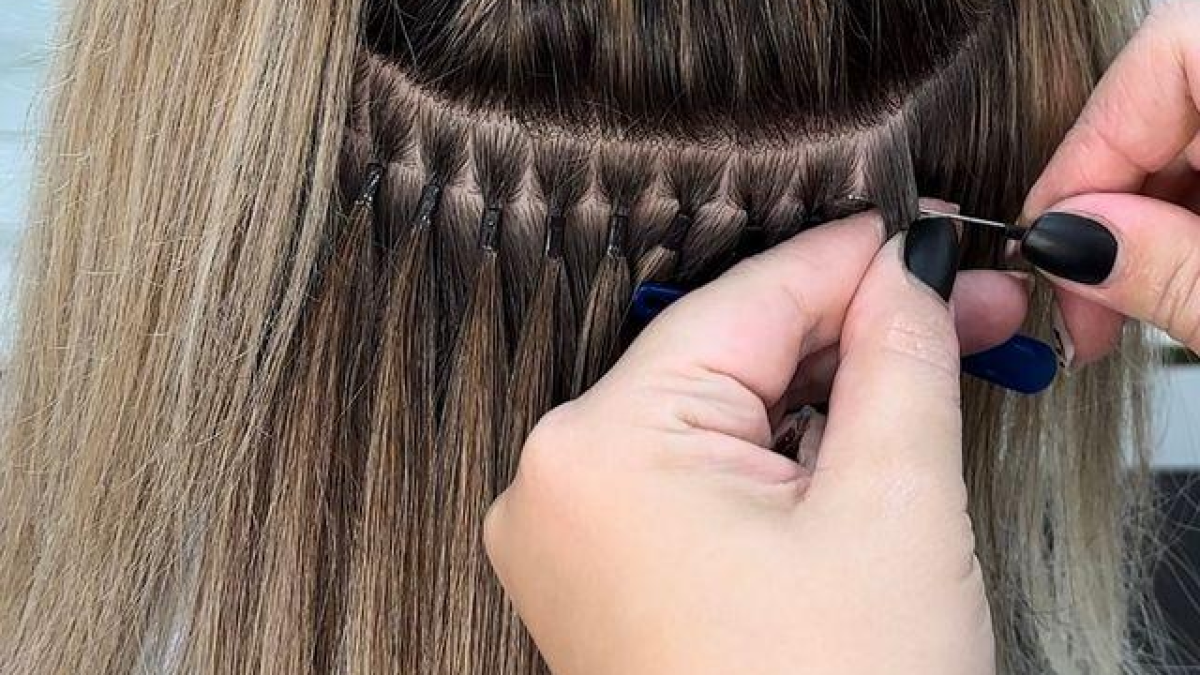
When wearers choose Russian hair extensions from ethical sources, they support better trade while also receiving hair that behaves well with simple care routines.
Education Makes a Difference
Stylists and buyers play a role in shaping demand. Asking clear questions about sourcing encourages suppliers to improve standards. Over time, this pushes the industry toward fairer practices.
Clear labelling, honest answers, and steady supply chains help keep russian hair extensions linked to ethical trade rather than unclear origins.
Final Thoughts
The journey behind Russian hair extensions begins long before the hair reaches a salon. Ethical sourcing depends on consent, fair payment, careful handling, and open supply chains. When these steps are followed, everyone benefits, from donor to wearer. Understanding this path allows people to make informed choices that respect both hair quality and human dignity.








Write a comment ...