
When hair starts thinning or volume is lost, many women turn to solutions like hair toppers or wigs to restore confidence and style. While both options provide coverage and length, understanding how they differ in appearance, comfort, and maintenance can help you choose the most natural-looking solution for your hair.
What Are Hair Toppers?
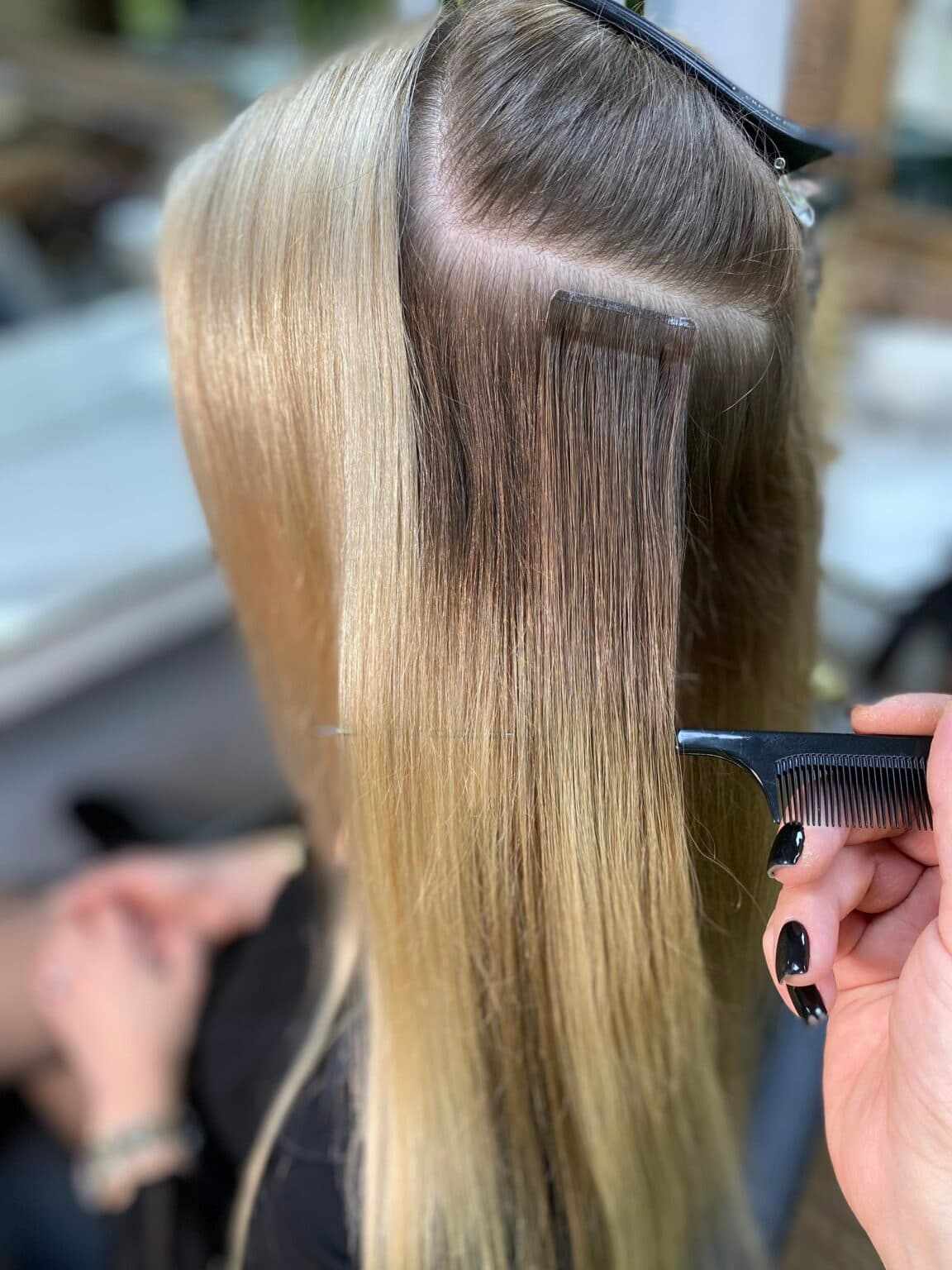
Hair toppers are small, lightweight pieces designed to cover thinning areas on the crown, top, or parting of the head. They blend seamlessly with natural hair, adding volume without completely covering your scalp. Hair toppers come in various sizes, styles, and attachment methods, including clips, combs, or tape, making them highly versatile for daily use.
Because toppers integrate with your natural hair, they allow for flexible styling. You can part your hair differently, curl it, or create updos without worrying about an unnatural look. Many women in London and across the UK use hair toppers to achieve fuller hair while keeping a realistic finish.
What Are Wigs?
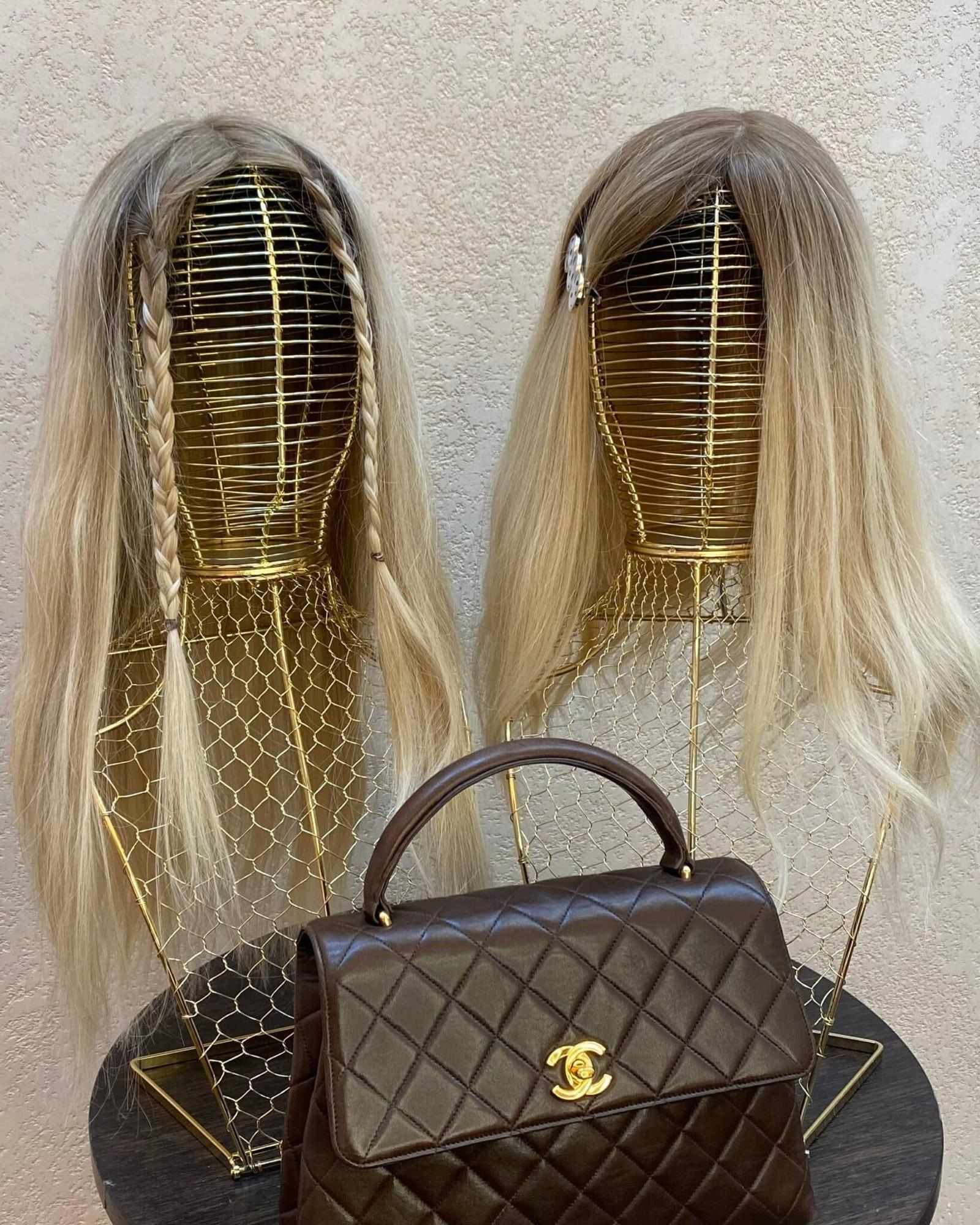
Wigs are full-head hairpieces designed to cover the entire scalp. They can be made from human hair or synthetic fibres and come in a range of styles, lengths, and colours. Wigs offer complete coverage, making them suitable for those experiencing extensive hair loss due to medical conditions or genetics.
While wigs provide instant transformation, achieving a natural look depends heavily on proper sizing, fitting, and styling. Poorly fitted wigs can appear artificial, especially at the hairline, and may limit how you part or style your hair.
Natural Appearance Comparison
When it comes to realism, hair toppers often have an edge over wigs for partial coverage:
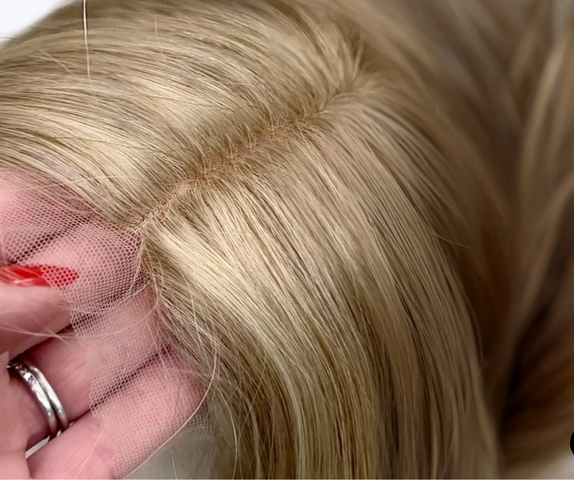
Hair Toppers: Because they are designed to blend with your natural hair, toppers can be styled along with your existing hair for a seamless, natural effect. Fine mesh bases and hand-tied hair strands mimic natural growth, allowing the piece to move and shine just like real hair.
Wigs: Full wigs can also look natural, but the hairline and parting may reveal the wig if not applied correctly. Lace-front wigs offer a more realistic look, yet they often require adhesive or trimming to achieve the perfect fit.
For subtle volume or thinning at the crown, hair toppers are usually the most natural looking option.
Comfort and Convenience
Comfort is a key factor in daily wear:
Hair Toppers: Lightweight and breathable, toppers place minimal strain on the scalp. They can be clipped in and removed quickly, making them ideal for busy lifestyles or seasonal wear. Many users report that toppers feel almost weightless and allow for easy washing and styling with their natural hair.
Wigs: Depending on the material and cap construction, wigs can sometimes feel warm or heavy. Proper sizing is essential to avoid slipping or discomfort, and full wigs may require additional accessories like wig caps to keep them secure.
For women seeking comfort and all-day wear, hair toppers often offer a more practical solution.
Styling Versatility
Both hair toppers and wigs allow for versatile styling, but toppers are particularly flexible:
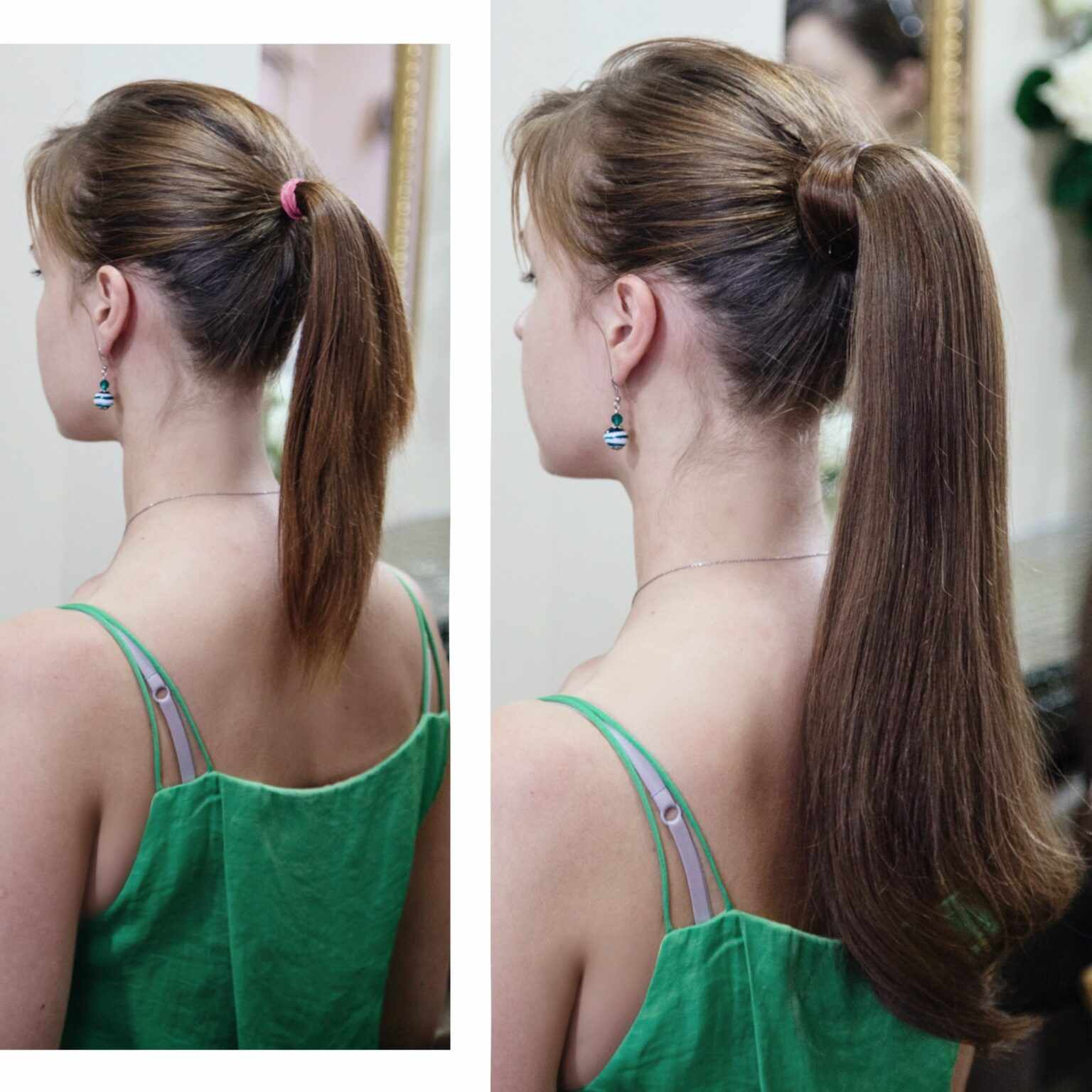
Hair Toppers: Can be parted, curled, or styled with your natural hair, allowing for a personalised look. Some toppers are heat-friendly and can be coloured to match your hair perfectly.
Wigs: Offer instant length and volume, but may limit your choice of hairstyles unless professionally styled. Styling full wigs at home can be more challenging, particularly if heat or colouring is required.
With a topper, your hair remains partly natural, making it easier to experiment with casual and formal styles.
Maintenance and Longevity
Proper care ensures that hair toppers and wigs stay looking realistic:
Hair Toppers: Require gentle brushing, washing with sulphate-free shampoo, and careful storage. With proper maintenance, toppers can last several months to over a year.
Wigs: Maintenance varies by material. Human hair wigs can be washed and styled like natural hair, but require regular conditioning. Synthetic wigs need more delicate handling to prevent tangling or fibre damage.
While both solutions require care, toppers are often easier to maintain alongside your natural hair.
Choosing the Right Option
Selecting between hair toppers and wigs depends on your hair needs:
Partial Thinning or Volume Loss: Hair toppers offer a natural look, easy integration, and long-term styling flexibility.
Extensive Hair Loss: Wigs provide full coverage and instant transformation, particularly for medical conditions or complete hair thinning.
Lifestyle Considerations: Toppers are lightweight, discreet, and convenient for daily wear. Wigs require careful fitting and may be better for occasional use or formal events.
Ultimately, the choice comes down to the extent of coverage required, comfort preferences, and how natural you want your hairstyle to appear.
Summary
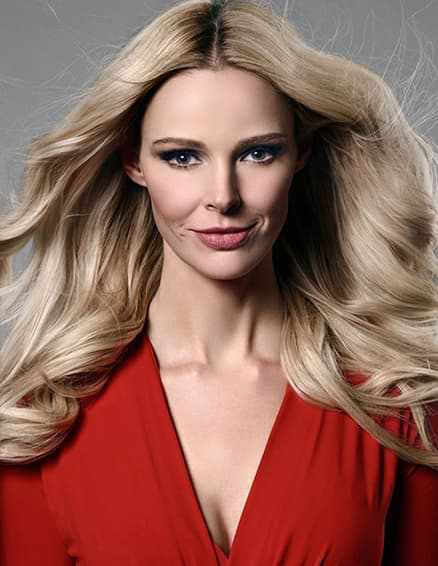
For women seeking a realistic, comfortable, and versatile hair solution, hair toppers often outperform wigs in natural appearance. They blend seamlessly with existing hair, allow for diverse styling, and are lightweight enough for daily wear. Wigs provide full coverage and instant transformation, but achieving a realistic look requires careful fitting and maintenance.
By understanding the differences in appearance, comfort, and versatility, women can make an informed choice and enjoy natural-looking hair that enhances confidence and style. Whether opting for a hair topper for subtle volume or a wig for full coverage, modern solutions make it easier than ever to achieve the hair you want.






Write a comment ...